Spider silk nerve repair

Spider Silk Nerve Conduits for Nerve Regeneration

Initiators

Bruce William America
Shih Hung Chang
Sean Blamires

Project Overview

Our team's vision is to become a global leader in regenerative nerve repair, mainly to treat spinal cord injury and peripheral nerve injury, enabling full functional recovery from severe nerve injuries in both humans and animals. We aim to make our spider-silk nerve conduit a new standard of care for bridging nerve gaps, including previously intractable spinal cord injuries, delivering transformational improvements to patients’ quality of life.
0%
0 CHF
of 300.000 CHF
50
days
of 50 days left
0
Boosters
supported project
Spider silk nerve repair

Funding goals

  1. Stage 1:

    50.000 CHF

    0% funded

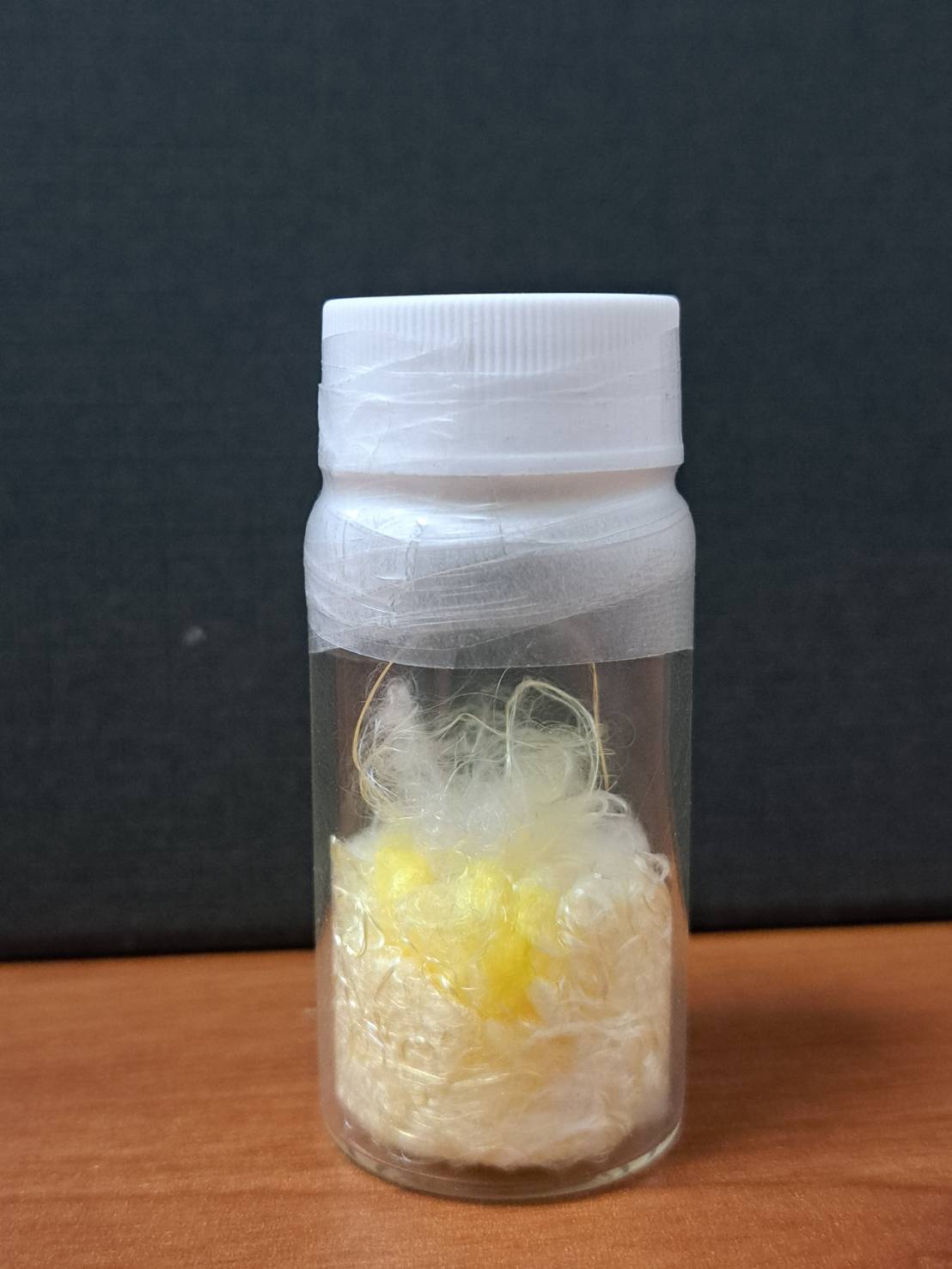
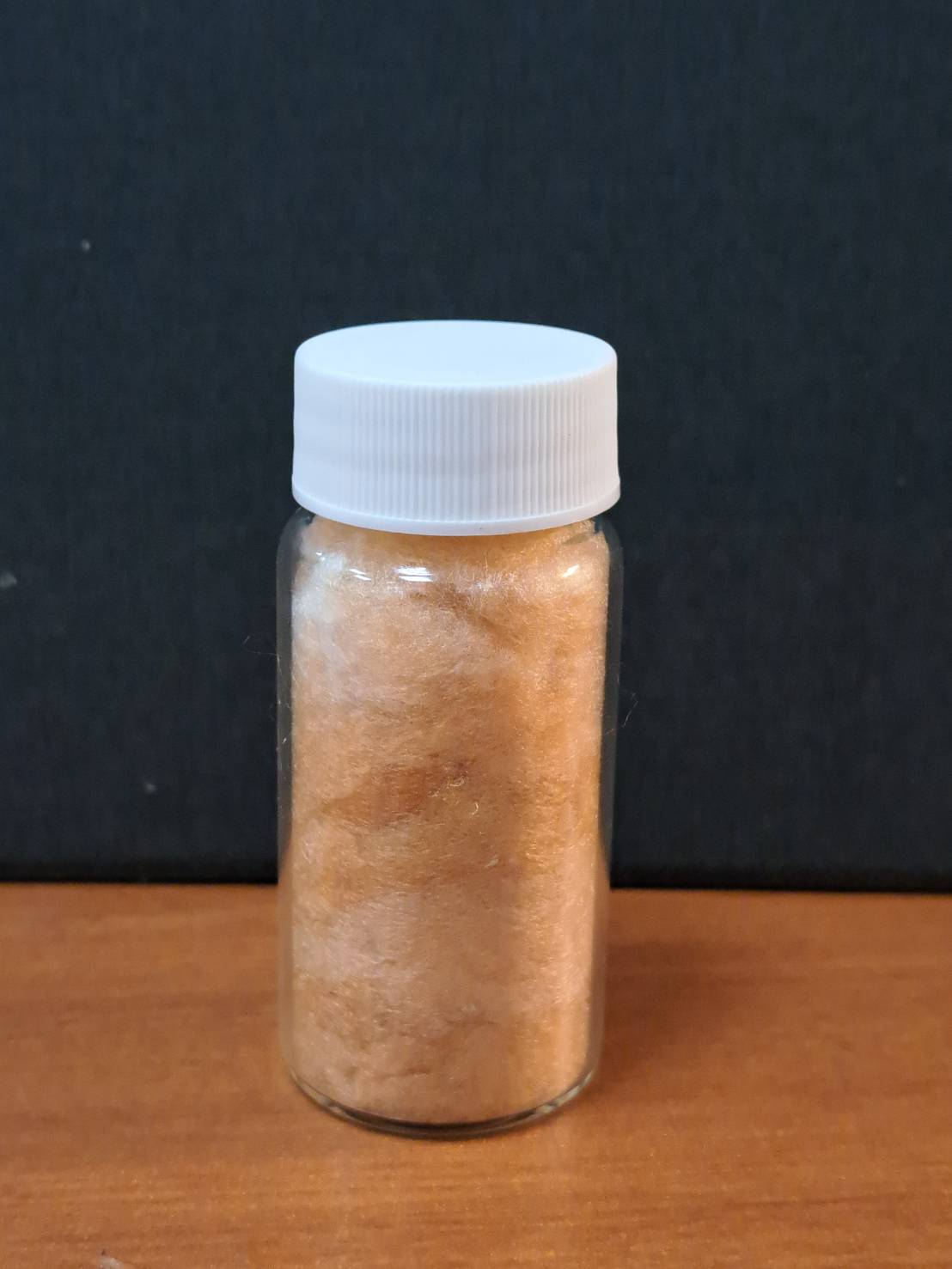
    Fund the purchase of all lab materials needed to begin production, including spider silk raw material, silkworm silk for benchmarking, cell culture reagents, and everyday consumables. This stage covers everything required to fabricate the first sample batch of spider silk peripheral nerve conduits.

  2. Stage 2:

    150.000 CHF

    0% funded

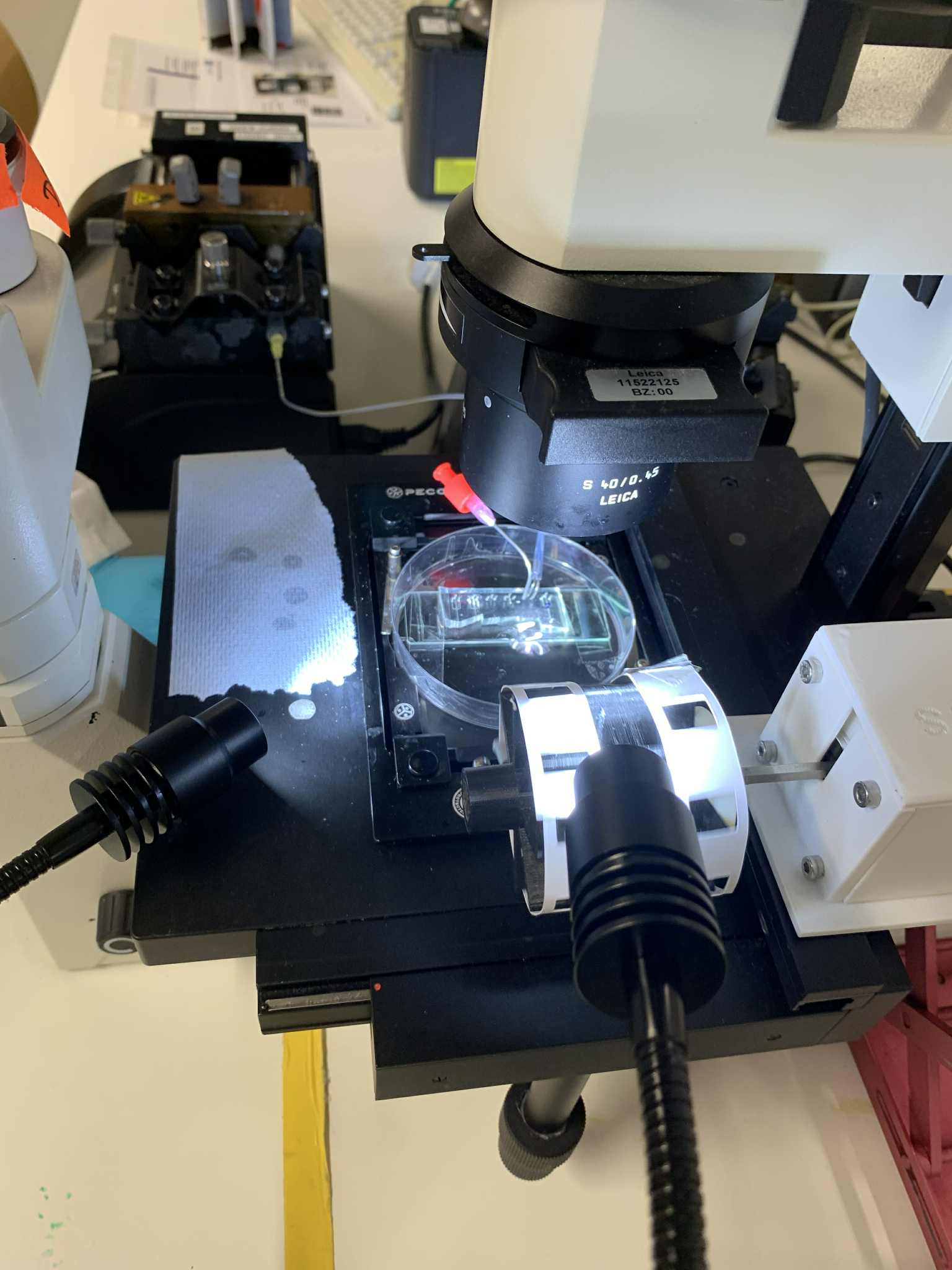
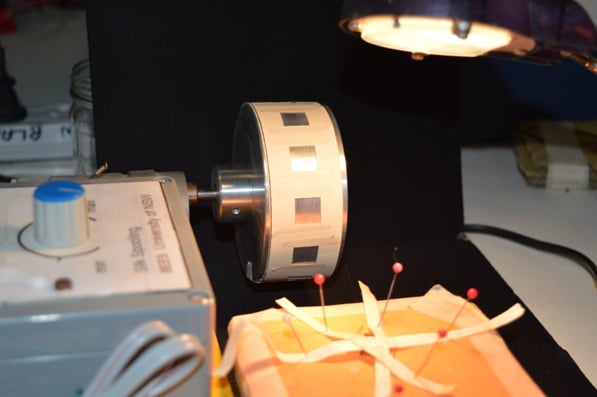
    Enable specialist consulting, mechanical characterization, biological validation testing, and the establishment of a research hub at the University of Technology Sydney. This stage funds the full proof-of-concept testing phase, confirming that the conduits meet biological and structural performance standards.


  3. Finish Stage:

    300.000 CHF

    0% funded

    Secure an early IP position through invention documentation, a prior scan, and initial patent filing preparation. This stage creates a defensible ownership anchor that protects the technology, reduces infringement risk, and improves the project's fundability for follow-on investment.
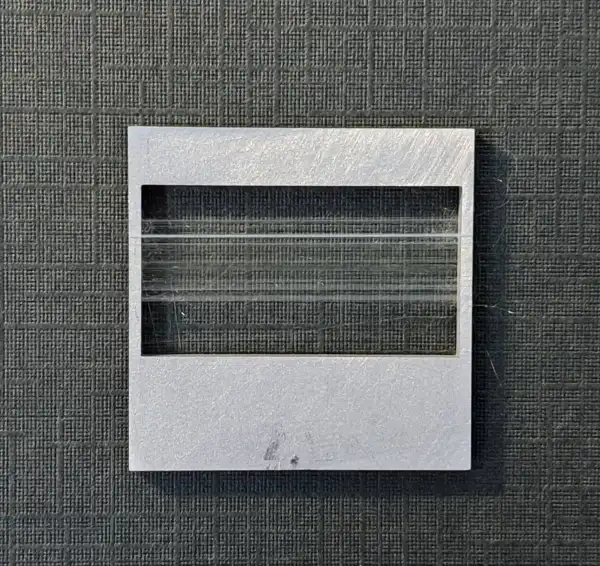
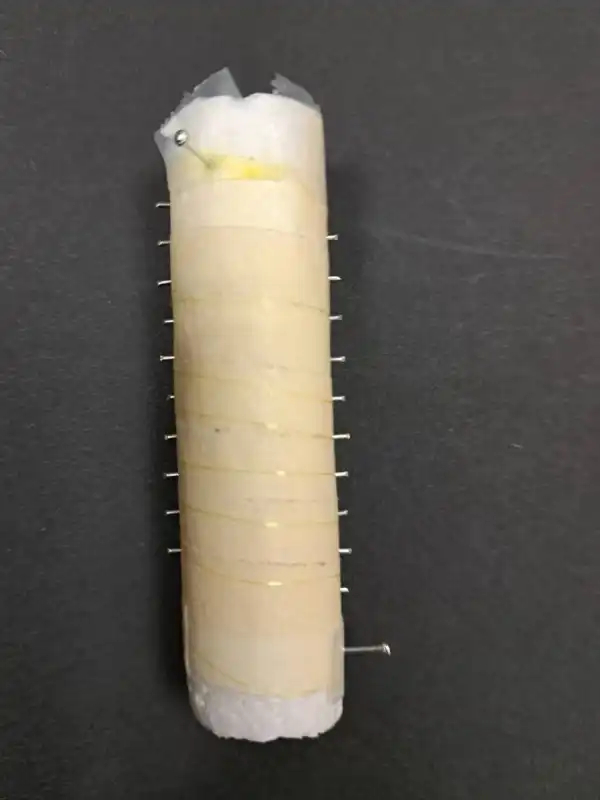
The motivation stems from a close friend of ours who became paralyzed after a traffic accident. We sincerely wish to ease his friend’s suffering, help him stand again, and support other patients around the world in regaining mobility, which sparked this initiative. That personal mission is the reason we chose to embark on this project together.

Vision:
Our vision is to become a global leader in regenerative nerve repair by developing next-generation solutions for peripheral nerve injuries and, ultimately, spinal cord injuries. We want to make spider silk–based nerve conduits the go-to treatment for connecting nerve gaps in both people and animals, ultimately helping them recover better after serious nerve injuries. By merging new materials with user-friendly designs, we want to improve results for patients who have few treatment choices and may face lifelong disabilities.

Mission:
Our mission is to address one of the most significant unmet needs in regenerative medicine: the lack of a scalable, effective, and biocompatible solution for repairing major nerve injuries. Today’s treatment options each have important limitations, leaving surgeons and patients with difficult trade-offs. We believe spider silk has the potential to offer a more advanced alternative, one that is biologically compatible, structurally suitable for nerve regeneration, and designed for future scalability.

Our initial funding goal is to secure CHF 250,000 to develop the first prototype. Following this, we aim to raise a second and third round of funding to establish our own laboratory, expand both in vivo and in vitro research; and support the marketing, sales, testing, and eventual launch of our spinal cord repair prototype. This biotech innovation project is designed as a 10-year development journey, reflecting the long-term commitment required to bring a breakthrough medical solution from prototype to market. We are building this project step by step, with the hope of creating real impact through careful research and development. We truly hope you will support our startup and stand with us in contributing to the spinal cord community.
Spider silk nerve repair

Why Investors Should Care

The current nerve repair market is underserved by existing technologies that are either invasive, expensive, supply-constrained, or clinically limited. A successful spider silk nerve conduit platform would address a major gap in treatment, unlock new possibilities in regenerative medicine, and position the company at the forefront of a high-value biomaterials category. In other words, this is not only a scientific opportunity, it is a chance to build a platform technology with strong clinical relevance, commercial scalability, and global impact.


Our Opportunity

This is where our project stands apart. We are developing a spider silk–based nerve conduit platform designed to overcome the core limitations of current solutions. Our goal is to create a conduit that is not only highly biocompatible and structurally supportive of nerve regeneration, but also commercially scalable and suitable for broader clinical adoption. In the near term, we are focused on peripheral nerve repair; in the long term, we see the platform expanding into spinal cord injury and other advanced regenerative medicine applications.

By solving a real clinical problem with a differentiated biomaterial approach, we believe this project has the potential to create both meaningful patient impact and significant long-term market value.
Spider silk nerve repair

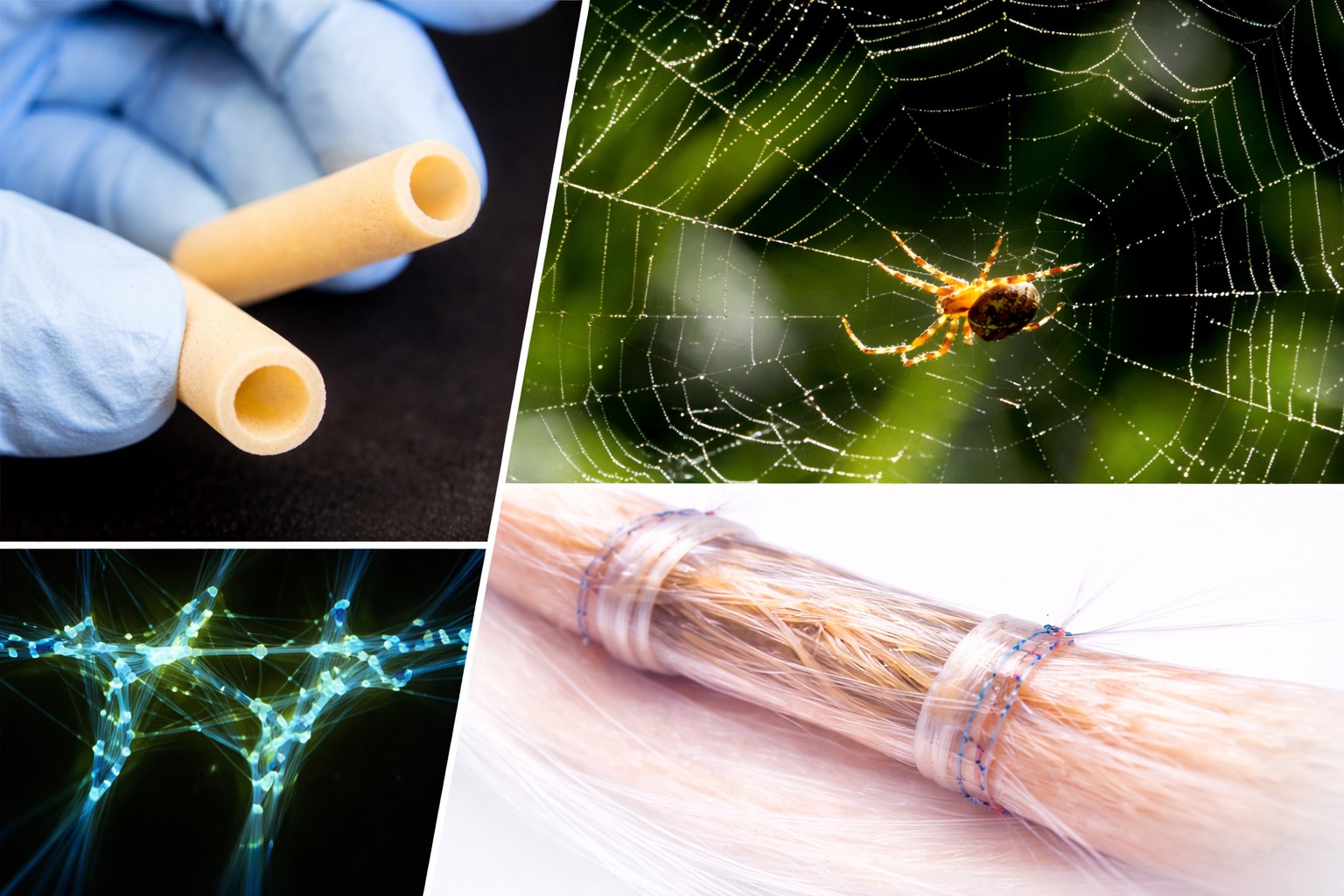
The project is designed to develop a spider silk–based peripheral nerve conduit prototype and generate a strong proof-of-concept dataset within three years. Upon securing funding, we will promptly commence work, concentrating on three primary areas.

First, we will fabricate the initial batch of peripheral nerve conduit samples and establish the foundational production workflow.
Second, we will validate the biological and structural performance of the conduits through targeted testing, including assessments of material behavior, structural integrity, and suitability for nerve repair applications. Third, we will create an IP “anchor” by documenting the invention thoroughly and initiating the first IP protection steps, helping to safeguard the technology, strengthen investor confidence, and reduce future infringement risk.

This first funding round is intended to create the technical and intellectual property foundation needed for the next stage of development, positioning the project for larger follow-on funding and future partnership opportunities.
Spider silk nerve repair

Why the Market Needs a Better Solution
1. Autografts remain the gold standard — but they come at a cost

Autologous nerve grafting is still considered the clinical gold standard for repairing significant peripheral nerve gaps. In this procedure, a patient’s own nerve, often a sensory nerve such as the sural nerve, is harvested and used to bridge the damaged area. Autografts are effective because they provide a natural extracellular matrix and aligned internal architecture that supports axonal regeneration.

However, this method is also a double-edged solution. It creates a second surgical injury site and may lead to permanent donor-site morbidity, including sensory loss, neuropathic pain, and functional deficits. In addition, donor nerve tissue is limited, making it difficult to treat very long or multiple nerve gaps. Autografting also increases surgical time, procedural complexity, and overall burden on both the patient and the healthcare system.

2. Processed nerve allografts improve convenience — but not scalability

Processed nerve allografts, derived from cadaveric tissue, have emerged as an alternative to autografts. Because they are decellularized to reduce immunogenicity while preserving the native nerve scaffold, they can function as off-the-shelf implants and have shown meaningful clinical utility in selected peripheral nerve repairs.

That said, allografts still face major commercial and clinical constraints. They are expensive, depend on a limited supply of donated human tissue, and require specialized processing, storage, and cold-chain logistics. Although disease transmission risk is low, it is not entirely eliminated, and variation in graft quality may affect consistency and surgeon confidence. These limitations make allografts difficult to scale globally, especially in cost-sensitive healthcare markets.

3. Synthetic conduits are available — but often insufficient for major injuries

Synthetic and biologic nerve conduits made from collagen or biodegradable polymers are attractive because they avoid donor-site morbidity and are easier to manufacture. Several products are already used clinically for short-gap repairs.

However, these materials often fall short in more severe cases. Some synthetic conduits may trigger inflammation, fibrotic encapsulation, or foreign body responses if their degradation profile is not well matched to the pace of nerve regeneration. As a result, they are generally not the preferred option for major nerve injuries, and the field continues to rely on autografts for clinically significant nerve gaps. This leaves a substantial unmet need for a more effective long-gap repair technology.

Our Spider Silk Nerve Conduit directly addresses the above problems by offering a biologically inspired, off-the-shelf graft substitute that combines the regenerative guidance of a nerve autograft with the convenience of a synthetic conduit. The core value proposition of our solution is that it can deliver superior nerve regeneration outcomes without the trade-offs that burden current standards of care.
Spider silk nerve repair

Spinal Cord Repair: A Breakthrough Opportunity for Spider Silk Conduits.

Spinal cord injury remains one of the most urgent and underserved challenges in regenerative medicine. Unlike peripheral nerve repair, the spinal cord presents a far more complex regenerative environment, where scar formation, inhibitory signaling, and the lack of structural guidance severely limit natural recovery. Therefore, current treatment pathways prioritize stabilization and rehabilitation over true biological repair.

This is exactly where our platform made of spider silk conduits creates a compelling opportunity. We think that spider silk is a very promising material for repairing the spinal cord because it is biocompatible, strong, flexible, and naturally good at guiding neural regeneration. These properties position spider silk as a highly differentiated biomaterial platform for building next-generation conduits designed to support reconnection across severe neural injuries.

Our long-term vision is to extend this platform beyond peripheral nerve repair and into spinal cord injury applications, where the clinical need is far greater and the impact could be transformational. If successfully translated, spider silk spinal cord repair conduits could represent a major step forward in addressing one of the most difficult problems in modern medicine, helping patients move beyond stabilization alone and toward meaningful functional recovery.

In that sense, this is not simply an incremental product opportunity. It is a platform with the potential to open a new category in regenerative neurorepair, combining strong scientific differentiation with significant long-term clinical and commercial value.
Spider silk nerve repair

Bruce William America
Zürich, Switzerland , CH
CEO

Bruce is the founder and funder of SelectIT.ch. He has over 10 years of experience in the fiber industry, supplying renewable and sustainable fibers to customers. He is now expanding into biomaterials and is collaborating with Spider & Silk Supply (based in Taiwan and Australia) to bring this "Spider Silk Based Nerve Repair Conduits" project to life.


Bruce’s motivation stems from a close friend who became paralyzed after a traffic accident. His sincere wish to ease his friend’s suffering, help him stand again, and support other patients around the world in regaining mobility sparked this initiative. That personal mission is the reason we chose to embark on this project together.

Shih Hung Chang
Shih Hung Chang
Tilburg, Netherlands , CH
CFO

This is Shih-Hung Chang (Vic), co-founder of Spider & Silk Supply. My primary responsibilities are marketing and finance, and our operations are based in Taiwan and Australia, where the spiders’ natural habitats are located.


Spider silk is well known for being extremely strong yet highly flexible, and it is also biocompatible, which makes it a promising biomaterial for supporting tissue repair and regeneration.


The reason we are collaborating with Bruce to launch the Spider Silk–Based Nerve Repair Conduits project is straightforward: we have the resource access and the bioengineering team to make the concept real, and we strongly align with Bruce’s mission and mindset for creating meaningful impact in nerve repair.

Sean Blamires
Sean Blamires
Sydney, Australia , CH
CTO

This is Dr. Sean Blamires. My role in the project is primarily as the Principal Investigator and as a key link across the three teams:


(1) my research team at the University of Technology Sydney.

(2) the Spider & Silk Supply team, based primarily in Taiwan with additional facilities in Australia.

(3) the project management and funding oversight team in Europe.


My technical expertise lies in understanding the functional significance of spider silk from both an evolutionary and ecological perspective.


Boost

Popular goodies

CHF 25

Silk Initiator

unlimited availability

CHF 50

Silk Explorer

unlimited availability

CHF 200

Nerve Pioneer

unlimited availability

See all projects on Crowdify

Start-Up & New Business